The Future is Now: Unpacking the Latest Website Technologies
Gone are the days of static, clunky websites; today's web is dynamic, interactive, and intelligent. Let's dive into some of the most exciting new website technologies that are shaping the internet as we know it.
1. Progressive Web Apps (PWAs): Bridging the Gap Between Web and Mobile
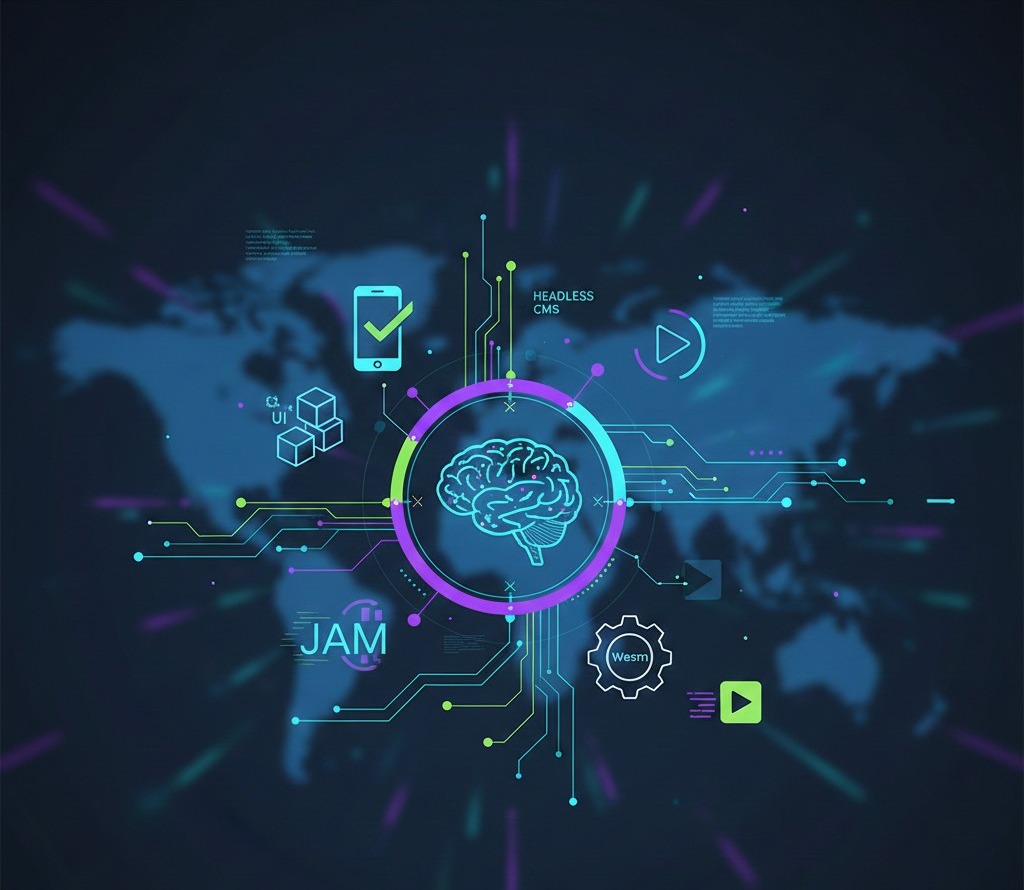
PWAs are revolutionizing how users interact with websites, offering an app-like experience directly from a browser. They combine the best features of web and mobile applications, providing reliability, speed, and engagement. Imagine a website that can be "installed" on your home screen, work offline, and send push notifications – that's the power of PWAs. This technology leverages service workers, web app manifests, and HTTPS to deliver a seamless user experience, making your website feel like a native app without the need for an app store.
2. Headless CMS: Content Freedom and Flexibility
Traditional Content Management Systems (CMS) often couple the front-end (how your content is displayed) with the back-end (where your content is stored). Headless CMS solutions separate these two, providing a content repository that can deliver content to any device or platform via APIs. This gives developers immense flexibility to choose their preferred front-end frameworks (like React, Vue, or Angular) while content creators can still manage content efficiently. The result is a more adaptable and scalable web presence, perfect for omnichannel strategies.
3. WebAssembly (Wasm): Bringing Desktop-Level Performance to the Web
WebAssembly is a low-level bytecode format that allows code written in languages like C, C++, Rust, and Go to run in web browsers at near-native speeds. This opens up a world of possibilities for web development, enabling computationally intensive tasks like 3D gaming, video editing, and CAD applications to run directly in the browser with unprecedented performance. Wasm complements JavaScript, allowing developers to choose the best tool for the job and significantly enhance the power and capabilities of web applications.
4. JAMstack: Performance, Security, and Scalability by Default
JAMstack (JavaScript, APIs, Markup) is an architectural approach that focuses on delivering fast, secure, and scalable websites. Instead of relying on a server-side rendering process, JAMstack sites pre-build static files (Markup) that are served directly from a Content Delivery Network (CDN). Dynamic functionalities are handled by JavaScript and third-party APIs. This approach drastically improves performance, reduces hosting costs, and enhances security by minimizing the attack surface.
5. Artificial Intelligence and Machine Learning in Web Development
AI and ML are no longer just buzzwords; they are actively being integrated into web technologies to create more personalized and intelligent user experiences. From AI-powered chatbots that provide instant customer support to recommendation engines that tailor content based on user behavior, these technologies are making websites more intuitive and responsive. Expect to see further advancements in areas like predictive analytics, voice user interfaces (VUIs), and automated content generation.
6. Motion UI: Engaging User Experiences Through Animation
While not entirely new, the sophisticated use of Motion UI is becoming increasingly prevalent. Libraries and frameworks like GreenSock (GSAP) and Lottie are making it easier for developers to incorporate beautiful and performant animations into their websites. Beyond aesthetics, well-executed motion design can guide user attention, provide feedback, and create a more delightful and memorable browsing experience.